In a world where there is a fight for the resources and supremacy, the space for neutrality is shrinking. Yet it is precisely in such moments of division that the role of a bridge becomes indispensable. Pakistan, long viewed through the prism of security and conflict, is now cautiously repositioning itself as one. As Kofi Annan once observed,
“Diplomacy is the art of building bridges between nations.”
This shift is not merely rhetorical. Over the past several years, Islamabad’s foreign policy has shown signs of a deliberate recalibration from a security-centric posture to one that privileges diplomacy, economic engagement, and strategic balance. Instead of zero-sum, Pakistan wants to be aligned with a win-win situation.
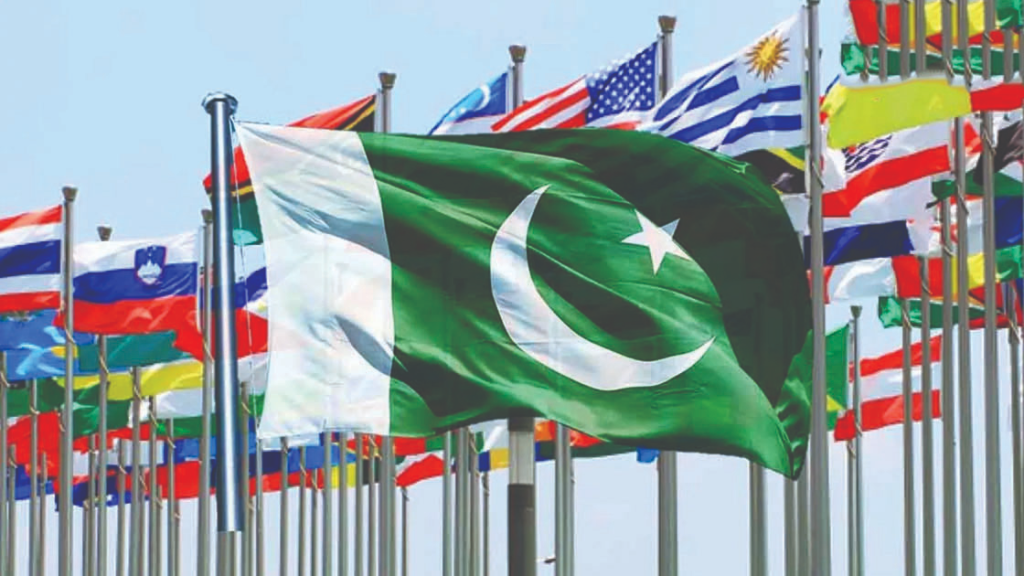
Pakistan’s ability to maintain working relationships across competing power centres remains one of its most significant, if underappreciated, assets. Its strategic partnership with China continues to anchor its externals.
“All-weather strategic cooperative partner”
Chinese President Xi Jinping
At the same time, ties with the United States, though often uneven, have retained functional relevance. American officials have continued to regard Pakistan as an important interlocutor in regional matters, particularly in the context of Afghanistan. Russia, too, has in recent years shown a willingness to expand engagement. Foreign Minister Sergey Lavrov has spoken of cooperation with Pakistan on regional stability and energy. Equally significant is Pakistan’s ability to sustain relations with rival powers in the Middle East. Its longstanding partnership with Saudi Arabia coexists with a complex but steady relationship with Iran. The Iranian leadership, including Ali Khamenei, has on multiple occasions emphasised the importance of strengthening ties with neighbouring states, such as Pakistan.
This capacity to engage across divides creates space for a more subtle diplomatic role. Pakistan’s facilitation of the Afghan peace process was publicly acknowledged by Zalmay Khalilzad, who noted that its support was “critical” to advancing negotiations. Such efforts underline a fundamental truth captured by Nelson Mandela:
“If you want to make peace with your enemy, you have to work with your enemy.”
Such a role is not without precedent. Pakistan played a pivotal part in facilitating early contacts between the United States and China in the 1970s. What is different today is the scale of global fragmentation and, with it, the demand for intermediaries capable of sustaining dialogue where formal channels falter. Yet the notion of Pakistan as a bridge remains constrained by enduring realities. Foremost among them is the absence of meaningful engagement with India. Relationships between the two neighbours remain frozen, with Prime Minister Narendra Modi maintaining a firm stance on bilateral dialogue. This impasse continues to limit the scope of regional stability and, by extension, Pakistan’s broader diplomatic ambitions.
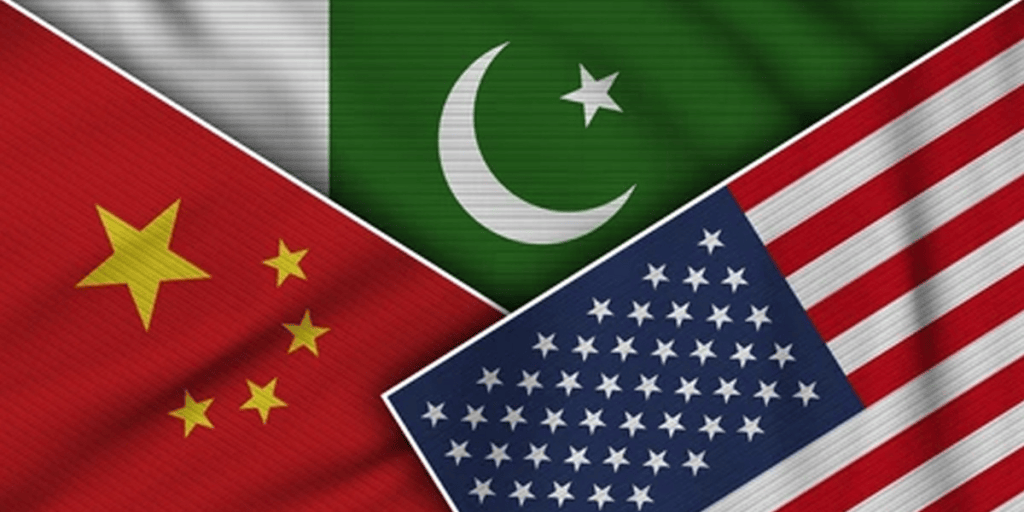
There are also risks inherent in the balancing act itself. Managing relationships simultaneously with Washington, Beijing, Tehran, and Riyadh requires sustained coherence and restraint. A shift in one direction can carry consequences in another. Diplomacy of this nature demands consistency, something not always easy to maintain amid domestic political and economic pressures.
Pakistan’s leadership has sought to frame its external posture in terms of peace and engagement. Prime Minister Shahbaz Sharif has reiterated that Pakistan seeks “peace within and beyond its borders” through dialogue and cooperation. This approach does not imply a retreat from deterrence; rather, it reflects an attempt to align strength with stability.
The broader intellectual case for such a posture is well established. As former UN secretary-general Kofi Annan observed, diplomacy remains the only durable means of managing conflict in an interconnected world. Power alone cannot impose order; it must be complemented by engagement.
Pakistan’s trajectory, therefore, is best understood not as a departure from its past, but as an evolution of it. A state long defined by its strategic location is now attempting to leverage that geography differently, not as a frontline but as a connector.
Whether this effort succeeds will depend on more than intent. It will require economic resilience, policy continuity, and a willingness to sustain balance even under pressure. But in a world where divisions are hardening, the need for bridges is unlikely to diminish.
At the very least, Pakistan has recognised that reality.

