Pakistan: A Bridge Not A Battleground

In a world where there is a fight for the resources and supremacy, the space for neutrality is shrinking. Yet it is precisely in such moments of division that the role of a bridge becomes indispensable. Pakistan, long viewed through the prism of security and conflict, is now cautiously repositioning itself as one. As Kofi Annan once observed,

“Diplomacy is the art of building bridges between nations.”

This shift is not merely rhetorical. Over the past several years, Islamabad’s foreign policy has shown signs of a deliberate recalibration from a security-centric posture to one that privileges diplomacy, economic engagement, and strategic balance. Instead of zero-sum, Pakistan wants to be aligned with a win-win situation.
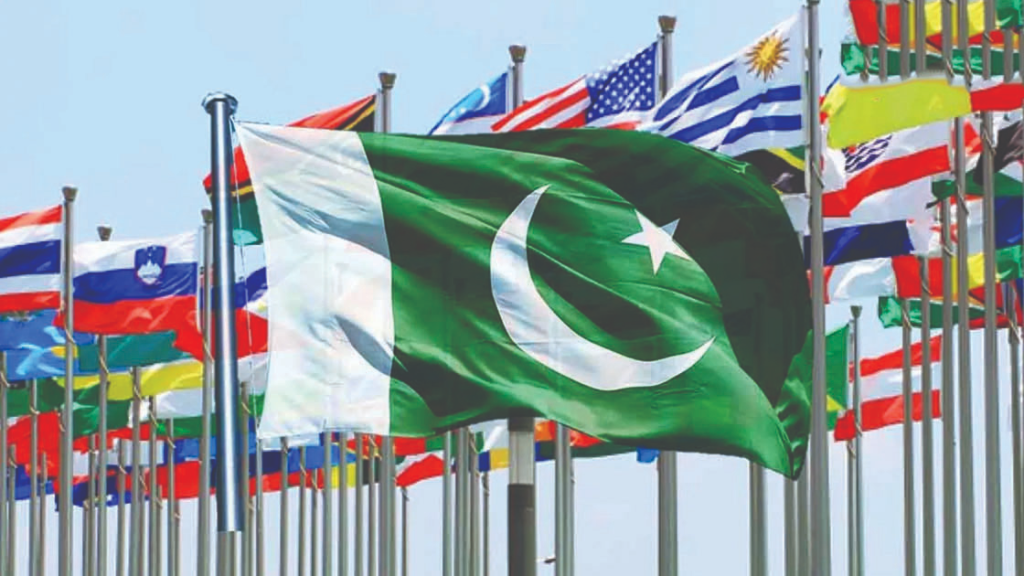
Pakistan is in the leading role

Pakistan’s ability to maintain working relationships across competing power centres remains one of its most significant, if underappreciated, assets. Its strategic partnership with China continues to anchor its externals.

“All-weather strategic cooperative partner”

Chinese President Xi Jinping

At the same time, ties with the United States, though often uneven, have retained functional relevance. American officials have continued to regard Pakistan as an important interlocutor in regional matters, particularly in the context of Afghanistan. Russia, too, has in recent years shown a willingness to expand engagement. Foreign Minister Sergey Lavrov has spoken of cooperation with Pakistan on regional stability and energy. Equally significant is Pakistan’s ability to sustain relations with rival powers in the Middle East. Its longstanding partnership with Saudi Arabia coexists with a complex but steady relationship with Iran. The Iranian leadership, including Ali Khamenei, has on multiple occasions emphasised the importance of strengthening ties with neighbouring states, such as Pakistan.

This capacity to engage across divides creates space for a more subtle diplomatic role. Pakistan’s facilitation of the Afghan peace process was publicly acknowledged by Zalmay Khalilzad, who noted that its support was “critical” to advancing negotiations. Such efforts underline a fundamental truth captured by Nelson Mandela:

“If you want to make peace with your enemy, you have to work with your enemy.”

Such a role is not without precedent. Pakistan played a pivotal part in facilitating early contacts between the United States and China in the 1970s. What is different today is the scale of global fragmentation and, with it, the demand for intermediaries capable of sustaining dialogue where formal channels falter. Yet the notion of Pakistan as a bridge remains constrained by enduring realities. Foremost among them is the absence of meaningful engagement with India. Relationships between the two neighbours remain frozen, with Prime Minister Narendra Modi maintaining a firm stance on bilateral dialogue. This impasse continues to limit the scope of regional stability and, by extension, Pakistan’s broader diplomatic ambitions.
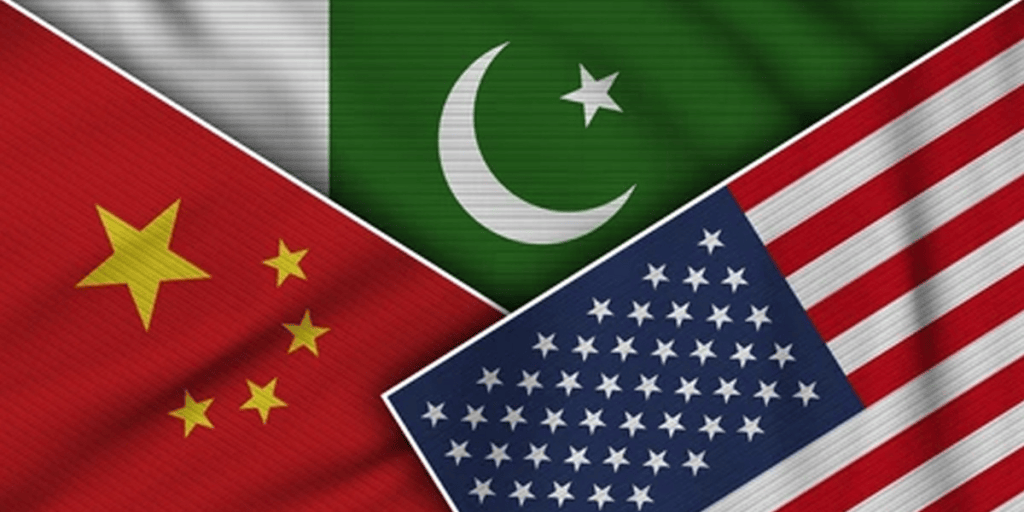
Pakistan as a bridge between West and East

There are also risks inherent in the balancing act itself. Managing relationships simultaneously with Washington, Beijing, Tehran, and Riyadh requires sustained coherence and restraint. A shift in one direction can carry consequences in another. Diplomacy of this nature demands consistency, something not always easy to maintain amid domestic political and economic pressures.

Pakistan’s leadership has sought to frame its external posture in terms of peace and engagement. Prime Minister Shahbaz Sharif has reiterated that Pakistan seeks “peace within and beyond its borders” through dialogue and cooperation. This approach does not imply a retreat from deterrence; rather, it reflects an attempt to align strength with stability.

The broader intellectual case for such a posture is well established. As former UN secretary-general Kofi Annan observed, diplomacy remains the only durable means of managing conflict in an interconnected world. Power alone cannot impose order; it must be complemented by engagement.

Pakistan’s trajectory, therefore, is best understood not as a departure from its past, but as an evolution of it. A state long defined by its strategic location is now attempting to leverage that geography differently, not as a frontline but as a connector.

Whether this effort succeeds will depend on more than intent. It will require economic resilience, policy continuity, and a willingness to sustain balance even under pressure. But in a world where divisions are hardening, the need for bridges is unlikely to diminish.

At the very least, Pakistan has recognised that reality.
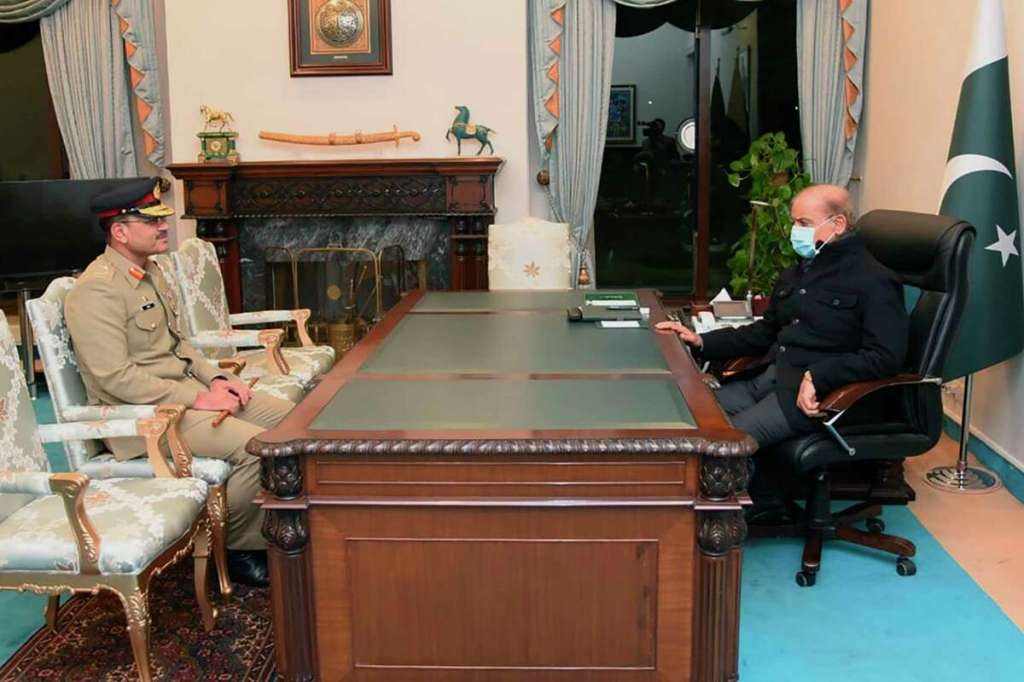
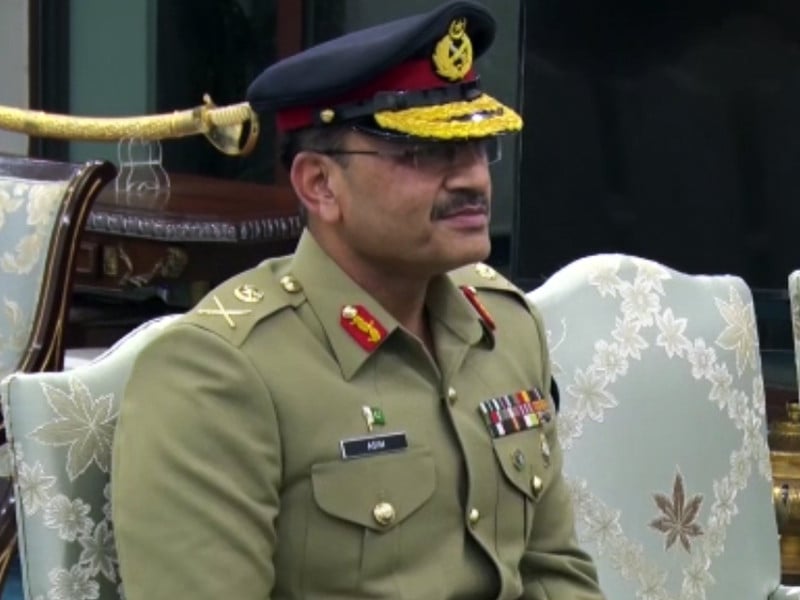
Pakistan New Chief of Army Staff.

New Army Chief Asim Munir meeting with Prime Minister Shahbaz Shareef.

Pakistan is facing Economical Crises. Pakistan Army always has an important role in Pakistan’s politics. General Bajwa 6 years tenure is going to end on 29th November. New Chief will definitely have an impact on Pakistan’s politics. General Head Quarter send names of 6 senior most lieutenant general to Prime Minister and Prime Minister Shabhaz Shareef picked up General Syed Asim Munir as New Chief of Army Staff who is senior most in the list and General Shamshad Mirza as Joint Chief of Army Staff.

Syed Asim Munir is from the 17th course of the Officers Training School in Mangla. He was commissioned into the 23rd Battalion of the Frontier Force Regiment later served as chief of Pakistan’s two most influential intelligence agencies – first Military Intelligence (MI) in 2017 and then the Inter-Services Intelligence (ISI) in 2018. He was removed as ISI chief after just eight months on the request of then-prime minister Imran Khan. No reason was given for his removal.

New COAS Syed Asim Munir Shah.

By all accounts, he is an “outstanding officer” and was recently described by Shuja Nawaz, the author of Crossed Swords, a detailed account of the Pakistan Army’s internal role, as “a straight arrow”. 

President Arif Alvi who is supreme commander of Pakistan Arm forces approved the summary of appointment of Asim Munir as COAS. In a positive gesture, Defence Minister Khawaja Asif appreciated President Arif Alvi’s role in the much anticipated appointment of the next Army Chief. He maintained that they should move towards economic recovery during the rest of the tenure of the incumbent government.

Now we are hoping to end of an instability in country that we have seen in last few months.The selection of Munir demonstrates that the country’s civilian leadership has learned, albeit the hard way, that in the selection of the army chief merit and seniority should be their guiding principle rather than political considerations, which have proved costly in the past. When political leadership makes a choice based on merit and seniority, they not only elevate their own credibility but also help settle some structural concerns of an institution where distinction and excellence are well regarded by the rank and file.

The crucial appointment offers a new opportunity for all important stakeholders in the country to bury the hatchet and move forward in Pakistan’s best interest. The manner in which political parties cooperated on Munir’s appointment this week, it does seem that the military’s message that “the time has come for political stakeholders to set aside ego, move forward” was well received by the civilian leadership.

On the Challenges ahead for General Munir, the retire brigadier said: “In my opinion the biggest challenge would be to restore the trust and confidence of the nation regarding the Army”. General Asim appointment will also have an impact on Pakistan’s Economy, relations with the other countries and his biggest test will be constitutional role as a Military Officer. Nation hoping he will be different showing himself apart from politics. He is appointed at a time when Pakistan is trapped in Economical and Political crises.

His appointment brought all political parties to one platform. The Political Ices between parties is seeing to be melting soon. All parties must sit together on the floor of Parliament keeping their ego at a side. Work for the betterment of the country. Making economical policies that benefit the country and resolve their political differences in the Parliament instead of roads.

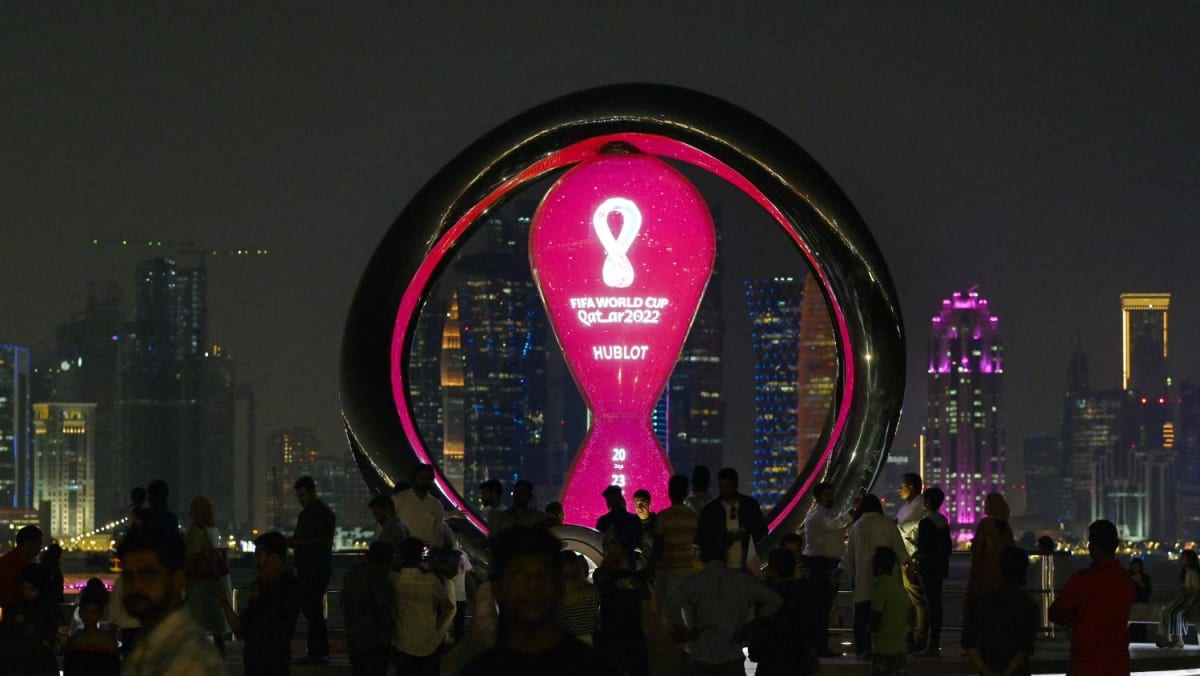
Qatar Fifa World Cup 2022.

Time for the biggest event of the World


Less than 24 hours left before the world’s greatest event is going to start. It is all about the return of the greatest event to Qatar. Qatar is going to host FIFA World Cup 2022. All arrangements are almost done.

It is an honour for Amir Qatar Sheikh Tamim that for the first time any Arab country is going to host such a huge Event. Qatar spends more than $200 billion on FIFA highest ever in history. But there few unique things that never happen. As it is the biggest event in the world. All fans from across the world are coming to Qatar. Qatar is the smallest country to host FIFA.

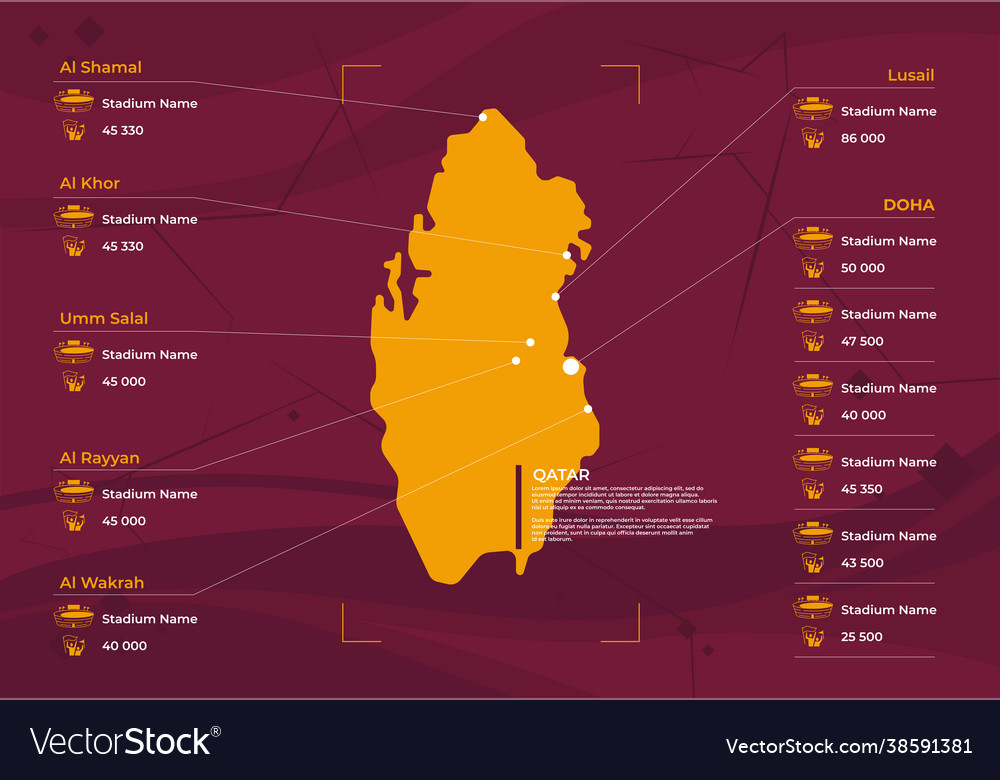
All stadiums with a host country map


The fact that Qatar experiences distressingly high daytime temperatures are one of the most significant things to keep in mind about the country serving as the FIFA 2022 host. Qatar devised a bold method to address the problem. The FIFA World Cup will be held in stadiums with full air conditioning for the first time. All eight of Qatar’s venues will be fully air-conditioned, ensuring that spectators have a comfortable viewing experience and that players have favourable circumstances in which to compete on the field.

There are few news regarding the dress code of Women in Qatar as there is no specific dress code in Qatar but Shoulders and Knees must be covered when visiting public places, Qatar government just want to remind this rule for upcoming visitors. Qatar ban beer inside the stadiums there is a mixed reaction from the fans some are showing disappointment and others are happy with the decision.

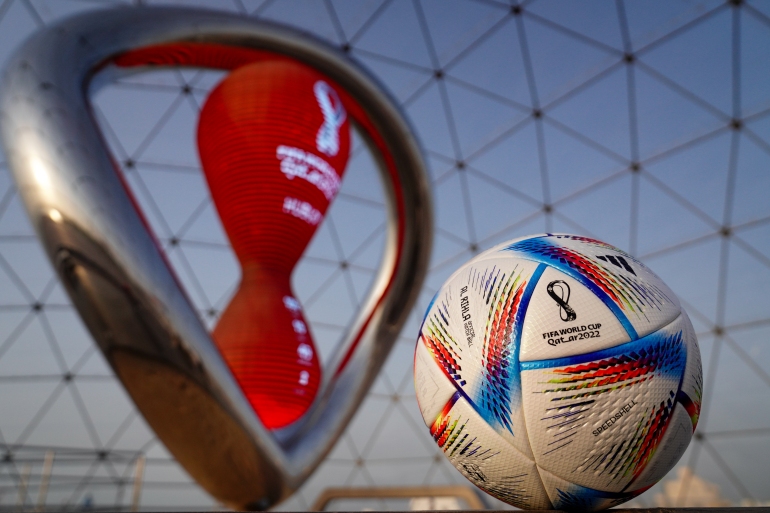
Now there is a question of what role Pakistan is going to play. Qatar Amir requested Pakistan’s Prime Minister on his visit to assist it in providing security during the World Cup. Pakistan accepted their request and send Army for security. Moreover, the football that will be used is made in Pakistan. As a Pakistan city, Sialkot is famous for its Football. All teams reached now it is time for the start of biggest event of the World.

Football used for FIFA